
There’s a particular kind of frustration that comes from spending an entire Saturday reorganizing a room, feeling proud of the results, and then watching it slide back into chaos within two weeks. If this cycle sounds familiar, you’re not alone, and it’s not a sign that you’re inherently disorganized. More often than not, it’s a sign that the organizational system itself wasn’t designed around how you actually live, but around some idealized version of how you thought you should live.
Real, lasting home organization isn’t about achieving a Pinterest-perfect space with matching bins and label makers, although those things can certainly help. It’s about creating systems that require so little effort to maintain that keeping things tidy becomes almost automatic, rather than a constant uphill battle against your own habits.
Understand Your Actual Patterns First
Before reorganizing anything, it helps to spend a week simply observing how you use your space. Where do you actually drop your keys when you walk in, versus where you think they should go? Where do clothes end up at the end of the day — folded neatly in a drawer, or draped over a chair? These patterns aren’t failures of discipline; they’re data. A system that fights against your natural behavior will require constant willpower to maintain, while a system built around your real habits will sustain itself with almost no effort.
If you consistently drop your bag on the kitchen counter no matter how many times you tell yourself to hang it in the closet, the solution isn’t more willpower — it’s a hook by the kitchen counter. Working with your natural tendencies rather than against them is the single biggest factor in whether an organizational system actually lasts.
Give Everything a Home
Clutter accumulates fastest in the absence of clear, designated spots for things. When an object doesn’t have an obvious home, it tends to get placed wherever is convenient in the moment, which over time creates the random piles and scattered mess that make a space feel chaotic. Going through your home room by room and asking, “does this item have a specific place it belongs,” can reveal surprisingly quickly why certain areas always seem to attract clutter.
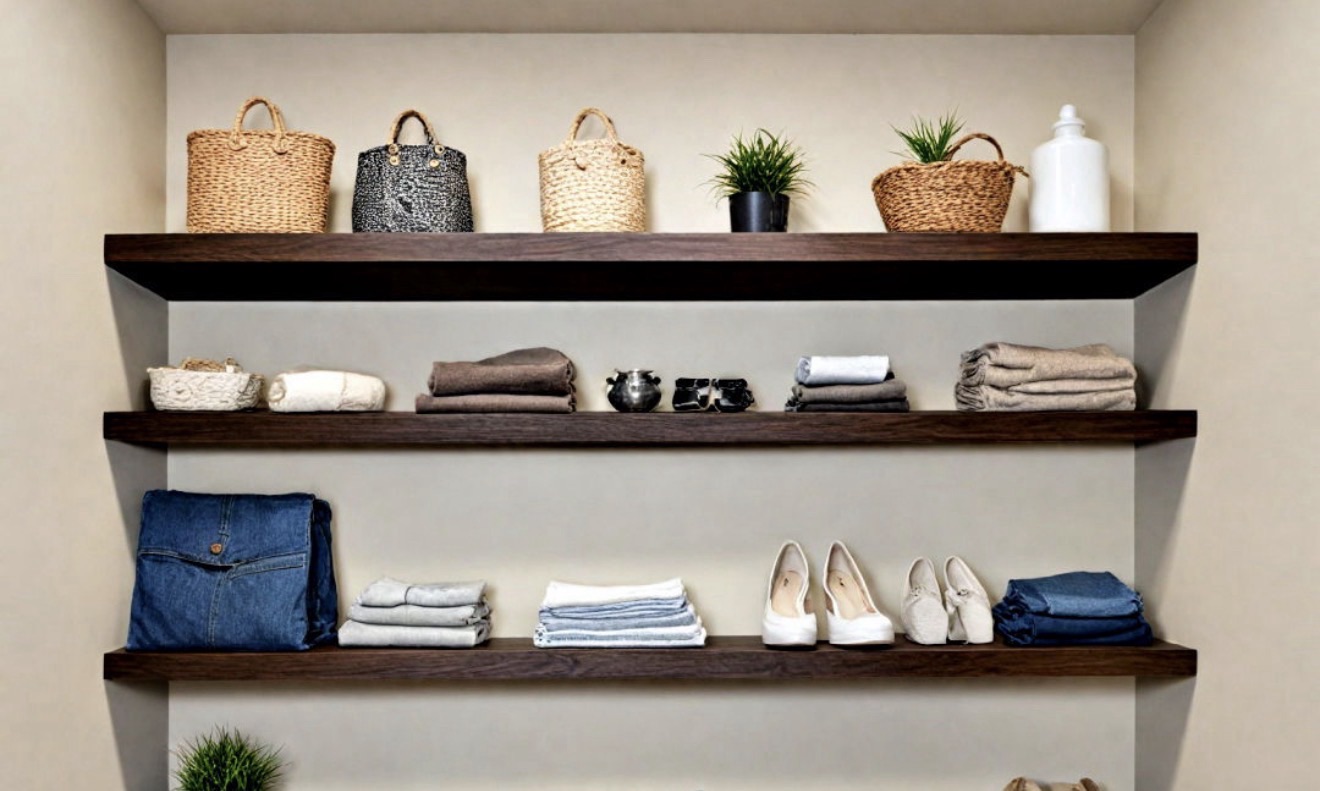
This doesn’t require an elaborate system. A drawer for mail and paperwork, a specific shelf for shoes, a designated spot for chargers and cables — these small assignments dramatically reduce the daily decision fatigue of figuring out where things go, both when you’re putting them away and when you’re trying to find them later.
The One-Minute Rule
A simple but remarkably effective habit is the one-minute rule: if a task takes less than a minute, do it immediately rather than deferring it. Hanging up a jacket, putting a dish in the dishwasher, returning a book to its shelf — these tiny tasks feel inconsequential individually, but deferred consistently, they’re exactly what accumulates into the overwhelming piles that eventually require an entire weekend to address.
The reason this rule works so well is that it prevents the psychological effect of clutter breeding more clutter. A single item left on a counter makes it slightly more acceptable, subconsciously, to leave a second item there too. A clear counter, by contrast, tends to stay clear, because there’s a natural resistance to being the first person to disrupt an already tidy space.
Purge Before You Organize
It’s tempting to jump straight into buying storage bins and organizational tools, but this often backfires, resulting in beautifully organized clutter rather than an actual reduction in stuff. Organizing what you own is far more effective, and far less work, once you’ve first reduced the volume of things competing for space.
A useful approach is to sort items into three categories: keep, donate, and unsure. The “unsure” pile can be boxed up and revisited in three or six months; if you haven’t needed anything from that box by then, it’s a strong signal you can let it go without regret. This removes the pressure of making instant, permanent decisions about sentimental or uncertain items while still moving the process forward.
Maintain in Small, Regular Increments
Rather than a single overwhelming deep clean, many people find it more sustainable to maintain their home through short, regular sessions — ten or fifteen minutes a day dedicated to resetting a space, rather than a marathon session once a month. This keeps clutter from ever accumulating to the point where it feels like an overwhelming project, and it turns organization into a light, ongoing habit rather than a dreaded, occasional chore.
Some people find it helpful to do this reset at a consistent time, such as right before bed, doing a quick sweep through common areas to put things back in their designated homes. This small ritual not only keeps the space tidy but also creates a psychological sense of closure at the end of the day, which many people find contributes to better, more restful sleep.
Let Go of the Perfect Image
Perhaps the most freeing realization in home organization is that a lived-in home will never look like a magazine spread, and it shouldn’t have to. Real life involves mess: kids’ toys, work papers, half-finished projects. The goal of organization isn’t to eliminate all evidence of a life being lived; it’s to create enough structure that the mess doesn’t spiral into genuine chaos, and that finding what you need doesn’t become a daily source of stress.
A home that’s organized enough to function smoothly, even if it’s not spotless, gives you back time and mental energy that would otherwise be spent searching for lost items or feeling low-grade anxiety every time you walk into a cluttered room. That, far more than aesthetic perfection, is the real point of getting organized in the first place.